Buying an apartment in Berlin-Mitte in 2026 is serious business. High mortgage rates, strict neighborhood-preservation rules, and expensive renovation traps in older buildings can quietly erode the returns of an unprepared buyer. This guide sets aside the polished brochure language and gives you the figures you actually need.
What follows is a data-driven look at the legal pitfalls to avoid, how to calculate realistic returns, and how to make your investment genuinely sound.
Load Interactive District Map
To protect your privacy, we block automatic connections to Google servers by default. By activating the map, you agree to the use of cookies and Google’s privacy policy.
Mitte at a Glance: What Defines the District, Beyond the Hype
Who Actually Lives Here?
Who Actually Lives Here?
Forget picture-perfect postcards. The demographic makeup of Mitte is your most reliable yield indicator. Analyze the hard numbers driving this micro-market.
Mitte is fundamentally not a traditional family district. Well over half of all households consist of only one person—often urban professionals with high disposable incomes.
This is the mathematical proof for your investment strategy: demand for compact 1- to 2-bedroom apartments (40–70 m²) is structurally carved in stone. These layouts represent the most liquid assets in the district.
The international tech crowd and diplomats frequently use Mitte as a temporary hub. This leads to one of the highest turnover rates in all of Berlin. The average tenancy is significantly shorter than in outer districts.
For buy-to-let investors, this high turnover is a massive advantage. Instead of being locked into unprofitable, decades-old tenancy agreements, you benefit from regular tenant changes. This allows you to constantly adjust the property to the current market level.
Around Rosenthaler Platz, a highly international, transient clientele dominates. In the northern outskirts (Wedding, Moabit), on the other hand, you will find more established, socially diverse neighborhoods with long-term tenant structures.
Your target audience analysis must be razor-sharp. Premium furnished expat living works effortlessly in the historic center. However, on the gentrification border in Wedding, you should target tenants who have outgrown the rougher surroundings but want to remain highly central.
Should You Invest in the Core or at the Border?
Berlin-Mitte is deeply divided both socio-culturally and economically. Select a market segment to analyze key demographic metrics and strategic potentials at a glance.
Established Core
This segment is defined by global capital combined with extremely high income levels from expats, tech founders, and top executives. These premium locations serve as crisis-resistant status symbols with virtually no upward price ceiling.
- Scheunenviertel / Linienstrasse
- Gendarmenmarkt / Friedrichstrasse
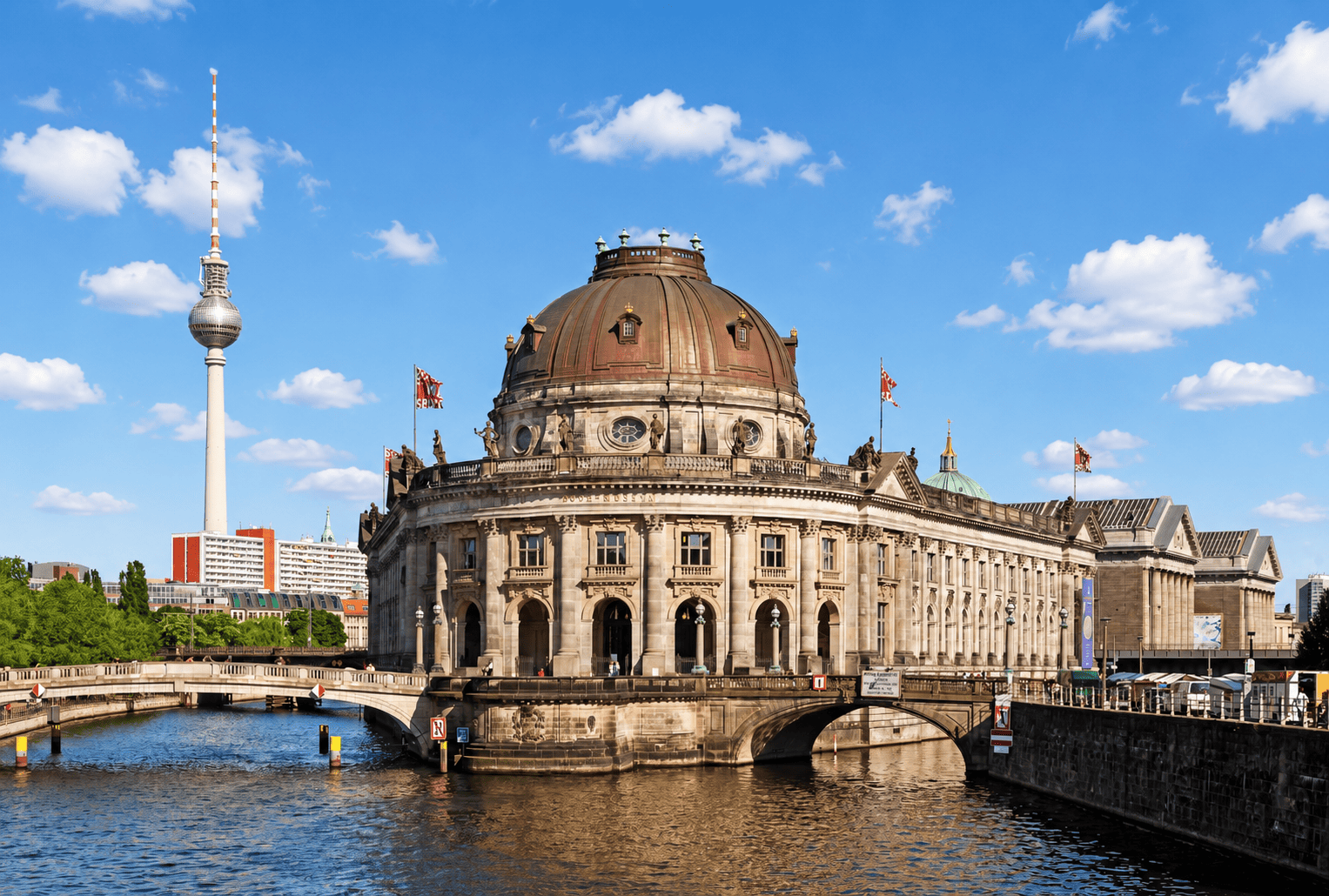
- Museum Island Area
- Torstrasse (Central Area)
The extremely low owner-occupier rate of around 10% serves as an effective shield for your capital. Since there is virtually no room for new construction in the historic core, buyers are competing for a highly exclusive asset. The goal in this prime location is uncompromising asset protection and maximum resale liquidity.
Gentrification Border
These areas are historically characterized by traditional working-class structures, intense social mixing, and significantly lower average incomes. This is where the current gentrification ceiling of the Mitte district runs.
- Wedding (Leopoldplatz, Sprengelkiez)
- Moabit (Beusselkiez, Stephankiez)
- Northern Chausseestrasse
Here, you are buying development potential. However, you should plan for at least a decade of patience before the immediate living environment adapts to upscale demands. The potential for high percentage value appreciation is enormous, but requires a pragmatic risk tolerance regarding local neighborhood structures.
Forget the postcard image. The demographic structure of Mitte is your most reliable indicator of long-term value, so it is worth looking at the hard facts that drive this market.
More than half of all households in Mitte consist of a single person, often urban professionals with high disposable income. In other words, Mitte is not, at its core, a classic family district. The practical takeaway is straightforward: demand for compact one- and two-bedroom apartments (40–70 m²) is structurally locked in here. These layouts are the most liquid assets in the district.
The international tech crowd and the diplomatic community often treat Mitte as a temporary base, which produces one of the highest tenant-turnover rates in all of Berlin. Average length of residence among tech expats sits at roughly two to three years, considerably shorter than in the outer districts. For investors, that rotation is an advantage rather than a drawback. Instead of being tied for decades to unprofitable legacy leases, you benefit from regular tenant changes that let you keep the unit aligned with current market rents.
There is also a clear social divide. Around Rosenthaler Platz, the population is heavily international and transient. In the northern fringes (Wedding and Moabit), you find more established, socially mixed neighborhoods with longer-term rental patterns. Your target-tenant analysis, therefore, has to be precise: premium furnished housing for expats works almost automatically in the historic core, whereas at the gentrification frontier in Wedding, you are looking for a different tenant entirely, someone ready to move beyond a rougher setting but determined to stay central.
Anyone who buys in Mitte purely because the street sign carries a prestigious name has already lost the strategic argument. The district has around 365,000 residents at an extreme density of nearly 7,900 people per square kilometer. On paper that looks like a single, uniform urban core. At street level, Mitte is in fact radically fragmented, and that fragmentation is precisely where the leverage for a smart purchase lies.
Start with the single most important metric for long-term wealth preservation: the owner-occupier rate. Berlin already sits at the bottom of the national table at roughly 15.8 percent, and in Mitte the figure drops further still, estimated at a mere 10 to 12 percent. The rest of the housing stock is firmly held by institutional investors, the State of Berlin, or small private landlords.
For decisive buyers, this scarcity of private home ownership acts as a built-in shield for invested capital. With almost no new land available in the center, you are competing for a vanishingly small, exclusive asset. That fundamental scarcity gives every first-rate apartment strong value stability and a resale liquidity that has few equals anywhere in Europe.
At the same time, with an average age of around 39.3 years, Mitte is one of the youngest districts in the capital. That energy is driven by extraordinary internationalism: more than 33.8 percent of residents hold no German passport, the highest figure of any Berlin district. But beware the statistical trap: Mitte is not a monolith. A deep socio-cultural and economic divide runs between its neighborhoods:
- The established core (Scheunenviertel, Torstraße, Gendarmenmarkt): This is where global capital concentrates. Income levels among expats, tech founders, and senior managers are extremely high. In these premium locations, there is barely any ceiling on prices, because the international clientele treats the micro-location as a crisis-proof status symbol.
- The gentrification frontier (Wedding, Moabit): Often, only a few subway stops further north or west, the economic picture reverses. These areas were historically shaped by working-class structures, pronounced social diversity, and lower average incomes. This is where the district’s current gentrification ceiling sits.
Before buying, ask yourself an honest question: are you paying the premium for the fully established, high-spending infrastructure of the historic center? Or are you betting on the urban upgrading of the rougher fringe locations? The latter can require a full decade of patience before the immediate surroundings rise to meet higher expectations. Ignore this contrast and you end up paying for a label rather than for genuine day-to-day quality of life.
Infrastructure and Access
Mitte is the transport hub par excellence. Public-transport coverage is simply the best in Germany: whether commuter rail, subway, tram, or regional service, you are usually within a five-minute walk of the nearest station. For commuters this is a dream, with the central station and the elevated city rail line cutting straight through the district.
But that comes at a price: buy directly on these transport arteries and you buy the noise and grime along with them. Cycling infrastructure has improved markedly, yet there is a hard reality: the district is Berlin’s absolute hotspot for bike theft. A secure bike room inside the building is not a luxury here but a serious purchase criterion.
And let’s be honest about parking: it is dire. Anyone buying a premium apartment in Mitte must insist on an underground parking space or at least a secured courtyard spot. A missing parking space drags down both your daily quality of life and, more sharply, the resale value in this segment.
Everyday Infrastructure
Local amenities and medical infrastructure in Mitte are world-class. From highly specialized private practices to the Charité hospital around the corner, it does not get better. Supermarket density is high too, though in the expensive areas such as the Scheunenviertel, traditional full-range supermarkets are often replaced by pricey little premium boutique grocers.
Schools and daycare saw a dramatic, barely publicized turning point over the past two years. Not long ago, finding a daycare spot was a knife-edge battle. Following a sharp drop in birth rates and the departure of families to the surrounding region, Berlin suddenly recorded over 30,000 vacant daycare places in 2025, with some facilities even closing due to under-enrollment. The era of registering your child before conception is over. One caveat, though: this applies only to regular public facilities. Waiting lists for international, bilingual private schools (such as the Berlin Cosmopolitan School) are as long and competitive in Mitte as ever, a point most expat families will want to plan around early.
On green space, you have to be precise. The Tiergarten is enormous, but it is not reachable for a quick evening stroll from the eastern Mitte neighborhoods. The small parks on your doorstep (such as Monbijoupark or Weinbergspark) are heavily overcrowded in summer. If you want genuine quiet greenery in Mitte, you pay the premium for a large private courtyard or a roof terrace.
Infrastructure & Micro-location: The Reality Check
Evaluate potential properties in Mitte using these strict criteria. Avoid costly mistakes in micro-locations and secure true quality of life.
- Secured underground or courtyard parking space (a massive lever for value preservation).
- Locked, burglar-proof bicycle cellar in the building.
- Walking distance to S/U-Bahn (metro/trains) without direct acoustic noise from tracks or main roads.
- No parking space in premium locations (severely depresses resale value).
- Property is located directly on a transit axis (Leipziger Str., Torstraße), leading to heavy pollution and noise.
- Bicycle parking only on the open street (Berlin’s highest theft rate).
- Generous, private, and landscaped courtyard as a quiet retreat.
- Established neighborhood infrastructure (weekly market, local bakeries) instead of a pure tourist strip.
- Pre-registration secured at private/bilingual schools (waiting lists are notoriously long).
- Depending on public parks as your only green space (overcrowded in the summer).
- Only expensive boutique supermarkets, with no standard full-range supermarkets within walking distance.
- Blindly assuming kindergarten spots are available without verifying the immediate micro-location.
- Upgraded security hardware (mushroom-head window locks, alarm system), especially on ground/first floors.
- Location on purely residential streets away from major transit and tourist flows.
- An active, attentive community of residents who notice strangers in the stairwell.
- Property located on the fringes of high-crime areas (Alexanderplatz, Leopoldplatz).
- Easily accessible balconies or courtyard windows in an old building without burglar protection.
- High resident turnover in the building (AirBnB issues) undermining overall security.
- “Village-in-the-city” feel: Vibrant, yet shaped by actual residents (e.g., Sophienstraße).
- Walking distance to high culture (art galleries, museums) without standing directly in the tourist crowd.
- Buying in Moabit/Wedding with a pragmatic 10-year horizon for urban redevelopment.
- Pure transit zones: Risk of loud crowds and rolling suitcase noise on weekends.
- Sterile zones (e.g., parts of the government quarter) that feel completely deserted after 20:00.
- Buying on the gentrification border with false expectations of an immediate luxury infrastructure.
Crime Statistics in the Berlin Context
Let’s discuss crime without any sugarcoating. Mitte often tops Berlin’s crime statistics, but you have to read the data correctly: it is primarily tourism-related crime (pickpocketing) and offenses concentrated at the major transit hubs.
The hotspots are clearly defined by police as “crime-burdened locations”: Alexanderplatz, Leopoldplatz in Wedding, and the Gesundbrunnen station. This is where the figures for violent offenses and group violence climb. For a buyer, that means an apartment directly at these hubs, or in their immediate fallout zone, is a major compromise for owner-occupation.
By contrast, the quiet residential streets of the Scheunenviertel or around Gendarmenmarkt see very little violent crime. A different problem dominates there: Berlin’s 2025 police statistics show residential burglary up again by almost 6 percent. Anyone buying on the ground or easily accessible first floor in Mitte needs uncompromising security hardware (anti-burglary locking systems, alarms). Investing in security here is mandatory, not optional.
The Vibe and Character of the District
Mitte is extremely layered. Gentrification in the core (Scheunenviertel, Torstraße, Gendarmenmarkt) is fully complete. This is premium territory: polished, international, and very expensive, dominated by global capital.
In the Tiergarten quarter and around the government district, you find an almost sterile sense of safety instead. It is architecturally impressive but often deserted after 8 p.m.; the classic lively neighborhood feel is missing.
The north and west (Moabit and Wedding) are, by contrast, fully in transition. Here, raw Berlin working-class character meets advancing renewal. These neighborhoods are livelier, louder, and far more socially mixed.
The greatest risk for buyers in the established Mitte core is the flip side of tourism. There is an enormous difference between streets where people actually live (such as the quiet Linienstraße or Sophienstraße) and pure thoroughfares (such as Rosenthaler Straße). Ignore that distinction during a viewing, and you will wake up on the weekend in the middle of rowdy stag parties and columns of rolling suitcases.
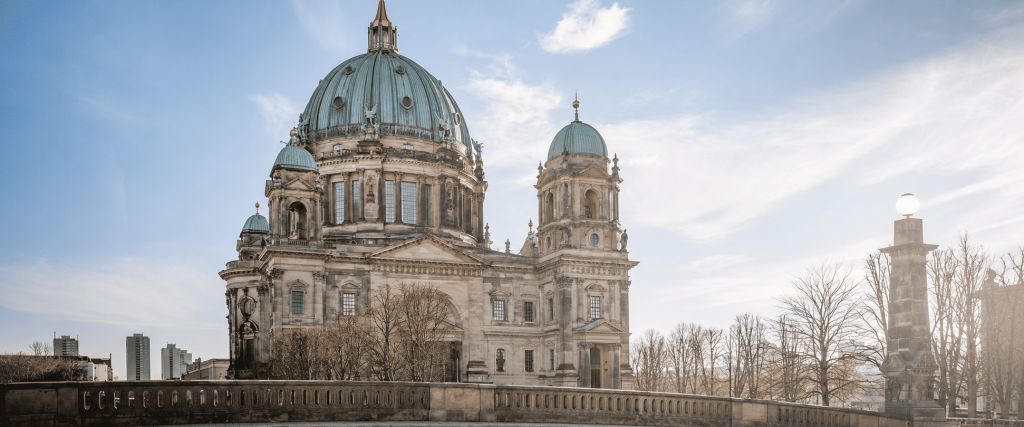
Key Places and Anchor Points, From a Resident’s Perspective
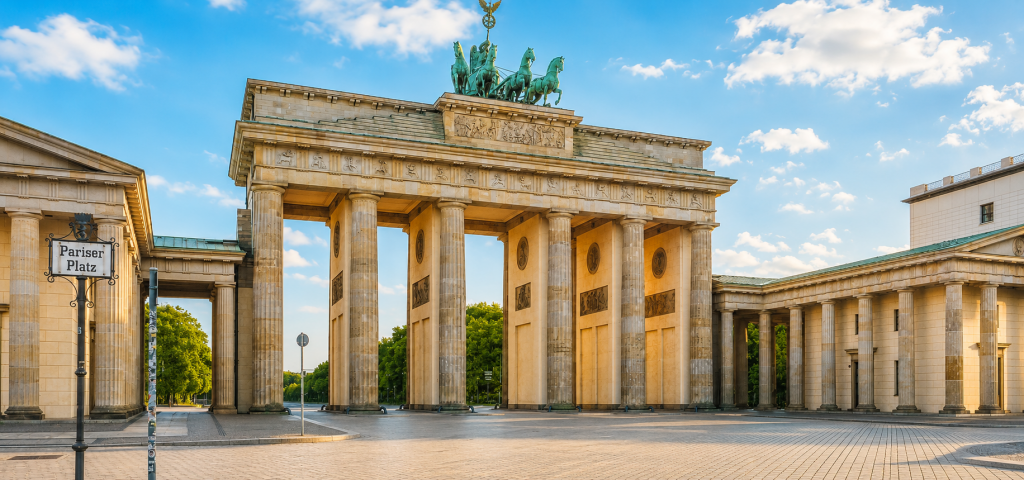
Forget the TV tower or the Brandenburg Gate. For residents, other places matter. The real luxury in Mitte is having its high-culture offering (Museum Island, the State Opera, the countless excellent galleries on Auguststraße) within walking distance, without standing directly in the tourist stream.
The everyday anchor points are not the big malls at Alexanderplatz, but the organically grown neighborhood structures: the farmers’ market at Arkonaplatz, the small delicatessens around Alte Schönhauser Straße, and the hidden, planted courtyards (such as the Heckmann-Höfe) that act as acoustic filters and neighborly retreats within the loud urban jungle. A property that offers you this “village in the center” feeling is worth every euro per square meter in Mitte.
Should You Buy in Mitte or Not? An Honest Upfront Assessment
Who Mitte Genuinely Makes Sense For (and Who It Doesn’t)
The Mitte market does not forgive unclear strategies. Buy here and you pay an enormous location premium. Current data from the official valuation board (as of 2026) shows average square-meter prices for existing apartments at roughly €7,500 to €8,100. In sought-after premium locations such as the Scheunenviertel, they comfortably break the €11,000 mark. Anyone paying that surcharge should genuinely use the centrality in daily life.
Buyer profile: the urban achiever (single or couple without children). For this profile, Mitte is not merely a place to live but a strategic efficiency hub. Time is the most valuable asset here, and in the core of Mitte everything (the central station, offices, top dining, culture) is reachable within 15 minutes, mostly on foot. A car becomes unnecessary. This profile is not looking for sprawling gardens but for compact, beautifully laid-out apartments as a representative retreat.
When Mitte is the wrong answer to the right question. Are you actually looking for a quiet, neighborly cocoon? Then Mitte is the wrong choice. Anyone seeking wide, tree-lined sidewalks, stress-free parking, and a thoroughly calm, family-friendly environment will not be happy here. For a green, child-friendly café environment, Prenzlauer Berg offers far higher everyday livability. For dignified, extremely quiet, and stately period-building charm, Charlottenburg or Wilmersdorf is the smarter choice.
Our market tip for 2026: don’t be intimidated by portal asking prices. Current transaction data shows an average negotiation spread of just under 7 percent between the initial asking price and the actual notarized contract. Buyers who negotiate with hard data can often secure their target price.
Should You Invest Your Capital in Berlin-Mitte?
Mitte does not forgive strategic errors. Answer 4 targeted questions regarding your budget, risk tolerance, and lifestyle to determine if and where you should buy, or if you should avoid the district altogether.
The Most Common Misconceptions About the District
When people first look at the Berlin map, they automatically associate extreme centrality with high living comfort. “You can get anywhere quickly,” runs the classic sales line. Yet the traffic reality in Mitte is often the exact opposite of convenient.
A prime example is Friedrichstraße. After the years-long, politically charged traffic experiment around the temporarily car-free zone between Leipziger Straße and Französische Straße, confusing and chaotic traffic routing persists there to this day for drivers, cyclists, and pedestrians alike. Such unpredictable urban-planning experiments make using your own car in daily life extremely tedious. Add to this a logistical nightmare you only realize after moving in: everyday parcel deliveries and waste collection. In the narrow, historic one-way streets of the Scheunenviertel, delivery vehicles block the roadway by the minute. Short distances on the map often mean agonizingly long minutes stuck in traffic.
Prestige versus everyday quality of life. A postal code like 10117 (Gendarmenmarkt) or 10115 (Chausseestraße) radiates international prestige. But prestige cannot be used in daily life, and it does not spare you daily stress. Many buyers confuse the glittering urban backdrop with genuine living quality. On the major arteries such as Torstraße or Leipziger Straße, noise pollution is extreme according to Berlin’s official strategic noise map. Levels well above 65 to 70 dB(A) during the day are the rule, a threshold that noise-impact research classifies as a tipping point for cardiovascular strain. An expensively bought balcony facing the street quickly degrades into an unused decorative element under those conditions.
What newcomers regularly underestimate. It is the mundane but decisive details of daily life that catch new Berliners off guard in Mitte. First among them is the permanent, ever-shifting construction situation. Mitte is constantly reinventing itself, which means renovations, infill development, and protracted street works belong to the permanent background noise.
Equally underestimated is social turnover within building communities. Because of the high density of commercially used holiday apartments and the very high proportion of furnished business apartments for international expats, residents in a building change rapidly. A stable, neighborly network you can rely on is often nowhere to be found. You share the stairwell with weekly rotating suitcase guests rather than with permanent neighbors. Anyone who does not consciously choose this anonymous character will quickly feel isolated in their own investment.
Mitte vs. Prenzlauer Berg vs. Charlottenburg
Three entirely different living philosophies and market structures. Select a district to compare key metrics and strategic directions for 2026.
Mitte Core
Uncompromising, dynamic efficiency and global connectivity. Perfect for buyers whose daily life is defined by maximum speed and international flair. The apartment here often serves as a highly prestigious base.
- Scheunenviertel
- Gendarmenmarkt
- Torstraße
In Mitte, you buy uncompromising central location. New construction projects in prime locations regularly break the 13.500 € / m² mark. An underground parking space is the most critical lever for future resale value.
Prenzlauer Berg
The ultimate choice for social security and family stability. Perfect for couples and families seeking a vibrant, safe neighborhood with excellent local infrastructure and countless traffic-calmed zones.
- Kollwitzplatz
- Bötzowviertel
- Helmholtzplatz
“P-Berg” has established itself as an extremely stable asset class. Beware of the social infrastructure: the massive demand for local schools and sports facilities regularly leads to bottlenecks in prime areas.
Charlottenburg
Timeless architectural grandeur, stately pre-war buildings, and dignified sophistication. The ideal choice for discerning buyers seeking absolute peace and privacy after work, without losing proximity to City-West.
- Savignyplatz
- Kurfürstendamm-Seitenstraßen
- Schloss Charlottenburg-Nähe
Charlottenburg often offers a significantly better price-to-performance ratio in the Altbau segment than Mitte. Classic, stately layouts around Savignyplatz are architecturally durable milestones with stable value development.
Mitte Is Not Just “Mitte”: The Neighborhoods Compared Head-to-Head
Let’s clear up the biggest and most expensive misunderstanding on the Berlin property market right away: when a listing says “apartment in Mitte,” that alone means nothing.
Sellers love to use the district’s resonant name as bait to justify inflated prices. What many buyers (especially from outside) don’t know is that there is the greater district of Mitte (the administrative unit) and there is the locality of Mitte (the actual historic core). A square meter in the elite Scheunenviertel can easily cost double or triple a square meter at Leopoldplatz, even though both belong politically to “Mitte.” Fail to draw this distinction sharply and you pay an enormous premium for a location that does not deliver that prestige in everyday life.
Which Neighborhoods Belong to Mitte?
The greater district of Mitte is made up of exactly six very different localities:
1. The locality of Mitte (the historic core): This is the “Mitte” everyone pictures. From the Brandenburg Gate to Alexanderplatz, including Gendarmenmarkt, Torstraße, and the Scheunenviertel. Here you find the absolute premium segment, maximum internationalism, and the highest prices in the city. Gentrification here is not underway; it has been complete for 15 years. Buyers here are seeking a prestigious status symbol and crisis-proof value retention.
2. Tiergarten (the green power center): The area around the large park, the government quarter, and the diplomatic quarter. Extremely safe, often stately in its architecture, but with a catch: after working hours it borders on sterile. Ideal for those seeking absolute discretion and quiet; anyone expecting vibrant Berlin street life at their doorstep will wither here.
3. Hansaviertel (the architectural niche): A tiny locality at the edge of the Tiergarten, entirely shaped by the 1957 International Building Exhibition. The market here is extremely illiquid because apartments rarely come up. A highly specific market for lovers of mid-century architecture, surrounded by greenery.
4. Moabit (the underrated island): Completely enclosed by canals and the Spree. Moabit is a classic working-class neighborhood undergoing massive but slow renewal. The infrastructure is excellent and the period building stock solid. It is the smart choice for owner-occupiers still seeking more affordable entry prices who are not put off by social contrasts in the streetscape.
5. Wedding (the raw investment): The northern neighbor of central Mitte. Wedding has been “the next big trend” for 20 years, but its development proceeds block by block. It is raw, authentic, and extremely densely populated. Buy here and you should not expect an immediate premium environment, but you secure enormous long-term appreciation potential at the gentrification frontier.
6. Gesundbrunnen (the pragmatic hub): Often lumped in with Wedding in daily use, it is in fact its own locality. It is characterized by the huge shopping center and the long-distance train station, a loud, hectic transit hub. The connections are world-class, but for quiet-seeking owner-occupiers the immediate area around the station is often too taxing. This part is more interesting for highly rational yield-focused buyers.
Note on the price tables (2026): Square-meter prices in this guide are based on transaction data and adjusted asking prices for the first half of 2026. Sources: Berlin valuation board, empirica, and IMV. As a rough orientation: existing renovated stock ranges from about €4,150/m² in Gesundbrunnen/Badstraße up to roughly €10,400/m² in the Scheunenviertel premium location, with new builds running €3,000–5,000/m² higher.
Prices per Square Meter in Berlin-Mitte (Q1/Q2 2026)
Real transaction values and adjusted asking prices in a direct neighborhood comparison. Use the sorting feature to identify the best value-for-money option for your purchase strategy.
| District / Kiez | Existing (Renovated) | New Build | Trend |
|---|---|---|---|
| Spandauer Vorstadt / Scheunenviertel Premium Location | 10.400 € / m² | 15.800 € / m² | ▲ +3,5 % |
| Gendarmenmarkt / Friedrichstadt Premium Location | 9.800 € / m² | 14.900 € / m² | ▲ +2,8 % |
| Mitte Core / Alexanderplatz Area Premium Location | 7.600 € / m² | 12.200 € / m² | ▲ +2,1 % |
| Oranienburger Vorstadt / Chausseestrasse Premium Location | 7.200 € / m² | 11.500 € / m² | ▲ +1,9 % |
| Tiergarten (Government Quarter) Premium Location | 6.100 € / m² | 10.500 € / m² | ● +1,5 % |
| Moabit (Stephankiez) Opportunity Location | 4.950 € / m² | 8.100 € / m² | ▲ +1,8 % |
| Moabit (Beusselkiez) Opportunity Location | 4.500 € / m² | 7.500 € / m² | ▼ -1,0 % |
| Wedding (Leopoldplatz / Sprengelkiez) Opportunity Location | 4.400 € / m² | 7.100 € / m² | ▲ +2,4 % |
| Wedding (Brunnenviertel) Opportunity Location | 4.650 € / m² | 7.350 € / m² | ▲ +2,1 % |
| Gesundbrunnen / Badstrasse Opportunity Location | 4.150 € / m² | 6.800 € / m² | ▲ +1,2 % |
Historical Price Index: The Rate Shock and the Two-Tier Recovery
A look at the 5-year curve (existing apartments) relentlessly reveals the impact of the interest rate turn in 2022/2023. For buyers in 2026, however, the crash itself is not the deciding factor, but rather the radically different recovery dynamics between the historic core and the peripheral areas.
| Year / Market Phase | Price per Sqm Premium Core (e.g., Scheunenviertel) | Price per Sqm Peripheral Areas (e.g., Wedding/Moabit) |
|---|---|---|
| 2021 (Boom) | 9.400 € / m² | 4.200 € / m² |
| 2022 (Interest Rate Turn) | 9.900 € / m² | 4.600 € / m² |
| 2023 (Shock) | 8.600 € / m² | 4.000 € / m² |
| 2024 (Stagnation) | 8.500 € / m² | 4.300 € / m² |
| 2025 (Recovery) | 9.100 € / m² | 4.700 € / m² |
| 2026 (Current) | 9.500 € / m² | 5.050 € / m² |
Premium Core (Scheunenviertel)
Following nominal value corrections in 2023/24, this market has stabilized at approx. 9.500 €/m² — in other words, it is “fully priced”. Global capital seeks a safe haven here. Strategy: Wealth Preservation & Status. Do not expect rapid value appreciation.
Gentrification Border (Wedding/Moabit)
Despite the 2023 dip, we are seeing a massive catch-up effect. With entry prices around 4.800 – 5.200 €/m², middle-class buyers are capturing the real gentrification dividend. Strategy: Percentage Growth in a rawer neighborhood environment.
What Does an Apartment in Mitte Really Cost?
Property portals are shop windows for wishful thinking. Use this tool to analyze real notary-certified prices, hidden transaction costs, and hard negotiation leverage in Berlin-Mitte.
Median Prices for Existing Apartments (2026)
The largest price disparity is driven by the room count. While compact 1-2 room apartments are highly sought after as highly liquid assets, the supply of family-friendly 4+ room homes in the historic core is extremely limited, generating an exponential rarity surcharge.
| District / Neighborhood | 1–2 Rooms | 3 Rooms | 4+ Rooms |
|---|---|---|---|
| Spandauer Vorstadt / Scheunenviertel | 9.400 € / m² | 10.100 € / m² | 11.800 €+ / m² |
| Mitte Core / Gendarmenmarkt | 8.800 € / m² | 9.600 € / m² | 10.900 €+ / m² |
| Tiergarten (Government Quarter) | 7.500 € / m² | 8.200 € / m² | 9.500 € / m² |
| Moabit (Total) | 4.800 € / m² | 5.050 € / m² | 5.300 € / m² |
| Wedding (Total) | 4.600 € / m² | 4.750 € / m² | 5.000 € / m² |
The Price Gap: Asking vs. Reality
For new construction projects in top locations, you currently pay a premium of 3.000 € to 5.000 € per m² for technological peace of mind (underground parking, high energy efficiency). In Altbauten, however, your biggest leverage lies in the difference between the portal asking price and the actual notary-certified purchase price.
Many sellers are mentally stuck in the 2021 boom. We currently see an average negotiation margin of approx. 5% to 9% off the asking price on portals in Mitte. With liquid funds and perfect preparation, you sit on the longer end of the lever.
The margin is greatest for unrenovated Altbauten in the center and generally along the gentrification borders (Wedding/Moabit). For perfect, move-in-ready luxury penthouses, price elasticity is significantly lower.
Ongoing HOA (WEG) Costs
The purchase price is only your admission ticket. What makes an investment in Mitte profitable over the long term, or turns it into a financial nightmare, is the management of the Homeowners Association (WEG).
This is the normal range per square meter for a well-managed Berlin Altbau HOA. This covers property management, heating prepayments, and standard maintenance reserve contributions.
If the maintenance fee is this high, the HOA is either managed extremely inefficiently, or they are frantically refilling an empty maintenance reserve because repairs were delayed in the past.
The Energy Certificate (EPC) as a Weapon
An Altbau with an energy efficiency class of F, G, or H is your strongest argument. A poor EPC rating currently legitimizes a tough price discount, as substantial renovation costs (heat pump, windows) are inevitably heading towards the HOA.
Market Dynamics: Mitte 2026
Cut through the broker jargon. Analyze actual market listing times, interest rate realities, and official notary transaction data.
The Two-Tier Market: Mitte is no longer a uniform seller’s market. For unrenovated properties (EPC F-H), buyers dictate terms. For energy-efficient, premium homes (EPC A-C) in the historic core, fierce competition remains.
Average Time on Market by Neighborhood
Premium apartments are growing scarce. Properties languishing on portals usually represent inheritance sales or units with major deferred maintenance. Days on market is your best indicator of negotiation room.
| Neighborhood / Micro-Location | Turnkey (EPC A–C) | Deferred Maintenance (EPC F–H) |
|---|---|---|
| Scheunenviertel / Core | 21 – 35 Days | 60 – 90+ Days |
| Gendarmenmarkt | 30 – 45 Days | Sparse Supply |
| Moabit / Wedding | 14 – 28 Days | 90 – 120+ Days |
The Negotiation Barometer
The “New Normal”: Interest Rates & Purchasing Power
Interest rates have stabilized around 3,2% to 3,5% in 2026. Factoring in a 2,0% principal repayment, this yields an annual constant of approx. 5,5%. Bank approvals matter less than the monthly cash flow you are willing to support.
Calculation baseline: 20% equity, 3,5% interest rate, 2,0% principal repayment (5,5% annual constant)
Notary Transaction Data over Broker Opinions
Verify the facts yourself. Only the official transaction data from the Berlin Committee of Valuation Experts (Gutachterausschuss) holds weight with lenders and courts.
The End of the Hype
The unhealthy boom years — when buyers paid emotional premium prices in bidding wars for unrenovated ground-floor units on busy transit roads — are officially over according to the Committee of Experts. Transaction volumes have returned to rational, sustainable levels.
Forecast for the Next 24 Months
The market curve in Mitte will continue its horizontal trajectory. Energy efficiency dictates the price. Turnkey luxury remains highly expensive. Smart buyers in 2026 ignore speculative asking prices and negotiate strictly based on EPC ratings and HOA reserves.
Due Diligence: Hidden Risks in Berlin-Mitte
A freshly painted facade is not due diligence. Switch between the legal-structural theory and the interactive practical checklist to protect yourself from ticking cost traps.
Gründerzeit buildings in Mitte (1880-1910) offer unparalleled charm but harbor three major structural risks:
- Piping & Plumbing: Unrenovated galvanized steel or lead pipes mean looming six-figure HOA costs for replacement.
- Timber Beam Ceilings: Springy floors often point to hidden damage; undetected water leaks can lead to dry rot.
- Foundation & Roof: A lack of damp-proofing in the cellar (musty smell) or poorly insulated roofs from the 1990s can require substantial capital.
The district of Mitte enforces social preservation statutes (Erhaltungssatzung) extremely aggressively. Large parts of the Leopoldplatz neighborhood, Wedding, Moabit-West, Sprengelkiez, and Brunnenviertel are currently heavily affected.
For investors: Luxury modernizations (e.g., adding a second balcony or merging rooms) are generally not approved by the district office, capping your yield potential.
The documents of the HOA (WEG) are the most critical legal foundation of your purchase.
Review the Declaration of Division: Does the garden portion actually belong to you, or do you only have a “Sondernutzungsrecht” (special right of use)? Who bears the window costs according to the declaration? Some old declarations shift these communal costs entirely onto the individual owner!
The average existing Altbau stock in Mitte sits in the energy performance bracket of E to G. Due to the EU Energy Performance of Buildings Directive (EPBD), the energy certificate is no longer just a piece of paper — it is a looming price tag.
- An EPC rating of G means almost mandatory, near-future renovations (heating system, windows, insulation).
- If the HOA does not have large reserves, you will have to finance these measures proportionally through special assessments (Sonderumlagen).
- The Consequence: A poor EPC rating must be used today as hard leverage to negotiate significant purchase price discounts.
10-Point Viewing Tracker
0 / 10 verifiedThe Two-Speed Recovery
A look at the five-year curve for existing apartments lays bare the impact of the 2022/2023 interest-rate turn. But for buyers in 2026, the key point is not the crash itself but the radically different pace of recovery between the historic core and the fringe areas.
In the premium core (e.g. the Scheunenviertel), prices have stabilized at roughly €9,500/m² after nominal corrections in 2023/24: in other words, “priced out.” Global capital is seeking a safe haven here. The strategy is capital preservation and status; do not expect rapid further appreciation.
At the gentrification frontier (Wedding/Moabit), we see a forceful catch-up effect. At entry prices of around €4,800–5,200/m², the middle-class buyer is purchasing the real gentrification dividend. The strategy is percentage growth in exchange for a rougher neighborhood environment.
Owner-Occupy or Rent Out? The Mitte Yield Calculation
Let’s set all illusions aside. Anyone investing in Berlin-Mitte in 2026 is not buying a cash cow that generates passive income from day one. Properties in this district are primarily instruments for capital preservation and long-term wealth security. If you are chasing a double-digit return, you will have to look in other asset classes or deep in the German provinces. In Mitte you are buying one of the most sought-after locations in Europe, and that security comes at a price.
Current Rental Yields by Neighborhood
Yield is defined by the gap between your purchase price per square meter and the legally enforceable net cold rent. In Mitte that gap is significant: purchase prices in the historic core have risen far faster over the past decade than regulated rents. The Berlin average currently sits at roughly 3.5 to 4.0 percent gross yield, and Mitte sits below that because of its extreme location premium.
A realistic 2026 calculation:
| Neighborhood | Gross rental yield (avg.) | Net rental yield (avg.) |
|---|---|---|
| Spandauer Vorstadt | 2.4% | 1.6% |
| Gendarmenmarkt | 2.6% | 1.8% |
| Tiergarten | 2.9% | 2.1% |
| Moabit | 3.3% | 2.5% |
| Wedding | 3.7% | 2.8% |
Note on the calculation: gross rental yield is the annual net cold rent divided by the purchase price. Net rental yield subtracts non-recoverable costs such as management and maintenance reserves.
The numbers speak plainly. You are not investing here for fast monthly cash flow. You are investing against inflation and for the long-term growth of your asset.
The Rent Brake: Real Effect in Mitte
The Mietpreisbremse (Berlin’s “rent brake,” a cap on new-lease rents) is not a theoretical construct here but a hard reality. On standard new lettings, your rent may sit at most 10 percent above the local comparative rent.
Many agents will now present you with the familiar loophole: furnished, fixed-term living. The apartment is fitted out to a high standard and let for six to twelve months to international expats. This legally circumvents the standard rent brake and lets you charge €35 per square meter or more.
As your adviser, however, I have to spell out the risks. Politicians have long had this loophole in their sights, and the legal screws on fixed-term leases were tightened noticeably in 2025 and 2026. An investment that only adds up by exploiting legal gaps stands on shaky ground. Always calculate your base yield conservatively using the strict local comparative rent, and treat the steep markups from furnished letting merely as a temporary bonus.
Buying vs. Continuing to Rent: Break-Even Analysis
The key question for any owner-occupier: at what point does buying pay off compared with renting?
At a stabilized interest level of around 3.5 percent and a solid 2.0 percent repayment rate (a total annuity of 5.5 percent), your monthly costs for an apartment in Mitte sit noticeably above the current rent of a comparable unit.
A concrete worked example: you buy an apartment for €800,000 and put in €160,000 of equity. The loan amounts to €640,000. At a 5.5 percent annuity you pay €2,933 a month to the bank. Add roughly €400 in monthly building service charges and you land at a total monthly burden of around €3,333. A comparable apartment might currently cost you €2,200 in net cold rent.
The financial break-even here does not come from monthly savings. It comes from the long-term appreciation of the property and from the automatic wealth-building of monthly repayment. In Mitte, you usually reach this break-even point against continuing to rent after 12 to 15 years.
For Whom Buying in Mitte Makes Financial Sense
Buying property in Berlin-Mitte is not for weak nerves or thin wallets. Under current conditions it makes sense only for a very specific buyer profile.
First, you need the right time horizon. Plan for an absolute minimum holding period of ten years. After that, you can sell the property tax-free and realize the full return on your investment.
Second, sufficient equity is mandatory. A 100 percent loan at current rates is financial suicide. You need at least 20 percent genuine equity, plus the purchase incidental costs of roughly 7 to 10 percent. If you also hold a solid buffer for unforeseen maintenance, you are optimally positioned.
Buy in Mitte if your primary goal is a safe harbor for your capital. Anyone who treats the monthly extra burden, compared with renting, as a disciplined savings plan in real tangible assets is making an excellent strategic decision with Mitte.
Yield & Break-Even Analysis
Do not sugarcoat the Mitte market. Analyze the actual net yields of each neighborhood here, or instantly simulate your real monthly costs in direct comparison to renting.
| Neighborhood / Micro-Location | Gross Rental Yield (ø) | Net Rental Yield (ø) |
|---|---|---|
| Spandauer Vorstadt | 2,4 % | 1,6 % |
| Gendarmenmarkt | 2,6 % | 1,8 % |
| Tiergarten | 2,9 % | 2,1 % |
| Moabit | 3,3 % | 2,5 % |
| Wedding | 3,7 % | 2,8 % |
Conclusion: Is Mitte Still a Good Buy in 2026?
Mitte in 2026 is not a market for speculators but for asset protection. At 3.5 percent interest and net yields often below 2.5 percent, you are buying long-term stability here, not quick cash cows. Because of the strict EU renovation requirements and Berlin’s neighborhood-preservation rules, you must examine every property with surgical precision before buying.
Mitte is a clear yes for you if:
- Long-term horizon: You plan a holding period of at least 10 years, so you can realize a tax-free sale at the end.
- Strong foundation: You bring at least 20 percent genuine equity plus all incidental purchase costs, and you keep liquid reserves.
- Security focus: Your goal is maximum inflation protection and value retention in one of the most sought-after locations in Europe, not monthly income.
Mitte is a clear no for you if:
- Yield hunting: You want fast cash flow, or you want to upgrade properties short-term and flip them.
- Thin reserves: You are eyeing a 100 percent loan. At this interest level the monthly interest burden will eat you alive.
- Owner-occupation in a preservation zone: You want to buy a tenanted apartment in a neighborhood-preservation area in order to move in soon yourself. That is legally almost impossible.
The one question before you sign. Before the notary appointment, ask yourself this single decisive question: Could your liquidity absorb a sudden special levy of €30,000 tomorrow for an energy-efficiency renovation, without your financing wobbling or your sleep suffering? If you can comfortably say yes, then buying in Mitte is an excellent strategic decision for your wealth.
Your property, valued by real experts.
Receive a manual, well-founded valuation instead of an automated report – including clear levers for value enhancement.
Start Free ValuationDirect line to your property expert.
Get clarity on price, strategy, and process in minutes. Start the chat – simple and no-obligation.
Start on WhatsAppA Note for International Buyers
Two questions come up constantly from expats, and the German-language market rarely answers them clearly.
Financing as a non-resident or without long German income history. German banks will lend to foreign buyers: there are no legal restrictions on foreigners owning property in Germany: but the practical hurdle is the loan, not the ownership. Without a German income record and a domestic credit profile (the SCHUFA score), banks apply markedly stricter requirements and typically expect more equity than the 20 percent baseline, often 30 to 40 percent. Your residence status, the durability of your employment contract, and whether your income is earned in euros all weigh heavily. If you are newly arrived, expect to either bring substantial equity or wait until you have built a German financial footprint.
The notary appointment and German-language documents. In Germany, every property purchase is finalized before a notary, and the official contract is in German. If your German is not strong enough to follow a legal text read aloud, you have the right to bring a sworn interpreter to the appointment, and in practice the notary will usually insist on one so the contract cannot later be challenged. Budget for this. Likewise, the key documents you must review: the declaration of division, the land-register extract, the energy certificate, and the owners’-association minutes: are all in German. Have them reviewed by someone who reads legal German, not translated casually, before you commit.
Compact Expert Knowledge for Buyers
Prices, Costs & Financing
In 2026, average prices for existing apartments in Berlin-Mitte range between 7.000 € and 11.000 € per square meter. In the premium segment around Gendarmenmarkt or the Scheunenviertel, buyers frequently pay over 13.000 € per square meter for new builds and vacant luxury units.
Prices vary extremely by micro-location, starting at around 4.500 € per square meter for unrenovated stock in Wedding and reaching well over 14.000 € for premium new builds at Gendarmenmarkt.
In Berlin, you should budget for incidental costs of roughly 11,57 % of the purchase price. These break down into 6,0 % property-transfer tax, around 1,5 to 2,0 % for notary and land registry, and 3,57 % agent’s commission.
The property-transfer tax in the State of Berlin is 6,0 % of the notarized purchase price. It is among the highest in Germany and must be transferred to the relevant tax office shortly after the notary appointment.
At current mortgage rates, you should bring at least 20 % of the purchase price as equity. On top of that, you must cover the incidental purchase costs of roughly 11,5 % from your own funds. A 100 % loan is currently highly risky.
Healthy charges (Hausgeld) in Berlin currently sit between 3,50 € and 5,00 € per square meter. Amounts above 6,50 € often point to inefficient management or to the hasty rebuilding of a depleted maintenance reserve.
Both local institutions (such as the Berliner Sparkasse and Volksbank) and all national major banks finance properties in Mitte. The bank’s willingness depends heavily on your creditworthiness and, increasingly, on the property’s energy status (EPC rating).
For the credit check, banks require salary statements from the past three months, recent tax assessments, and clear proof of equity. For the property assessment, you need the listing, the cadastral map, the land-register extract, and the declaration of division.
Market, Strategy & Yield
Buying in Mitte does not pay off for short-term speculation or high monthly cash flow. It is, however, ideal for long-term capital preservation. Anyone seeking security, inflation protection, and an investment horizon of over ten years will find one of the most value-stable locations in Europe here.
Both work very well. For investors, Mitte offers a very low gross yield of 2,5 to 3,5 % but the highest security against vacancy. For owner-occupiers, the district offers extreme efficiency, short distances, and culture for urban daily life.
The gross rental yield on standard letting under the rent brake usually sits between 2,4 and 3,5 % in 2026. Letting the apartment furnished and short-term can achieve higher yields, but you carry a higher legal and political risk.
Purely in terms of monthly cash flow, renting is cheaper at current rates. Long-term, however, buying is the smarter choice. You protect yourself against future rent increases and build substantial private wealth through monthly repayment.
After the drastic rate shock of 2023, prices stabilized definitively in 2026. In the premium core, values are stagnating at a very high level. In fringe locations such as Wedding and Moabit, the data still show moderate price increases driven by catch-up effects.
If you bring a ten-year investment horizon and sufficient equity, 2026 is an excellent time. With rates stable, well-informed buyers can currently achieve attractive entry prices through firm negotiation.
The supply of high-quality, vacant family apartments is extremely scarce. While the online portals show many listings, objectively well-priced properties often change hands within a few weeks or directly through off-market channels.
Locations & Property Types
The administrative greater district of Mitte consists of six very different localities: the historic locality of Mitte, Tiergarten, Hansaviertel, Moabit, Wedding, and Gesundbrunnen.
The most coveted locations for established capital are the Scheunenviertel, the Oranienburger Vorstadt, and Gendarmenmarkt. Those betting on appreciation at the gentrification frontier increasingly focus on the Sprengelkiez in Wedding or the Stephankiez in Moabit.
That depends heavily on your way of life. For singles and urban professionals, Mitte offers maximum efficiency and culture. For quiet-seeking families, the high noise pollution and the absolute lack of parking can be a daily strain.
New builds offer absolute security against renovation costs and excellent energy efficiency. Period buildings offer architectural charm but carry financial risks with poor energy ratings. An already fully energy-renovated period apartment currently represents the ideal compromise.
Focus primarily on invisible defects: old lead pipes, missing horizontal damp barriers in the cellar, poorly insulated roofs from the 1990s, and the current energy certificate. These points later cause the highest follow-on costs for the owners’ association.
Purchase Process & Legal Matters
After the viewing comes your review of the property documents. Then you secure your bank’s financing commitment, followed by the notary appointment for certification. After the priority notice of conveyance and the due-date notification are registered, you transfer the purchase price.
From the first viewing to the notary appointment usually takes four to eight weeks. From paying the purchase price to actually holding the keys, you should reckon on another four to eight weeks.
Since the legal reform, the commission on private purchases is usually split in half. The buyer normally pays a maximum of 3,57 % including VAT, provided the seller takes on the same share.
Yes, commission-free apartments exist mainly when buying directly from the developer on new-build projects or in genuine private sales. In the established premium stock of Mitte, however, most high-quality properties are brokered exclusively through agents or off-market networks.
Review the declaration of division, the current land-register extract, the energy certificate, and the owners’-association minutes from the past three years without fail. The minutes tell you frankly whether disputes exist or expensive special levies are on the horizon.
You must check whether the property lies in a neighborhood-preservation zone. If it does, extreme blocking periods of up to ten years apply for own-use termination, and converting rental apartments into apartments is often strictly prohibited there.
The greatest financial risks are undetected maintenance backlogs, unexpected special levies due to poor energy efficiency, and strict requirements from neighborhood-preservation zones. A further risk is buying in an extremely loud micro-location without adequate structural soundproofing.
Vacant means the property is currently not rented. After handover of the keys you can either move in immediately or re-let the apartment at the current market value. Vacant apartments therefore achieve significantly higher purchase prices than tenanted units.
The best properties often never reach the public portals at all. Build a network of specialized agents, define an uncompromising search profile, and make sure your financing is arranged in advance so you can act extremely fast.
Yes. There are no legal restrictions on foreign property buyers in Germany. The only hurdle is often financing, since German banks impose significantly stricter equity requirements when there is no domestic income.